iPhone Repair: Common Issues and How to Get Back on Track Fast
iPhone owners commonly experience numerous challenges that can hinder their daily routines. Common problems include battery degradation, cracked screens, and connectivity issues. Many of these issues can be addressed with basic troubleshooting measures. Yet, recognizing when to tackle the problem yourself and when to contact a specialist remains important. Being samsung battery replacement hanham bristol aware of these factors can eliminate further issues and keep devices in working order. What are the best strategies to address these common concerns effectively?
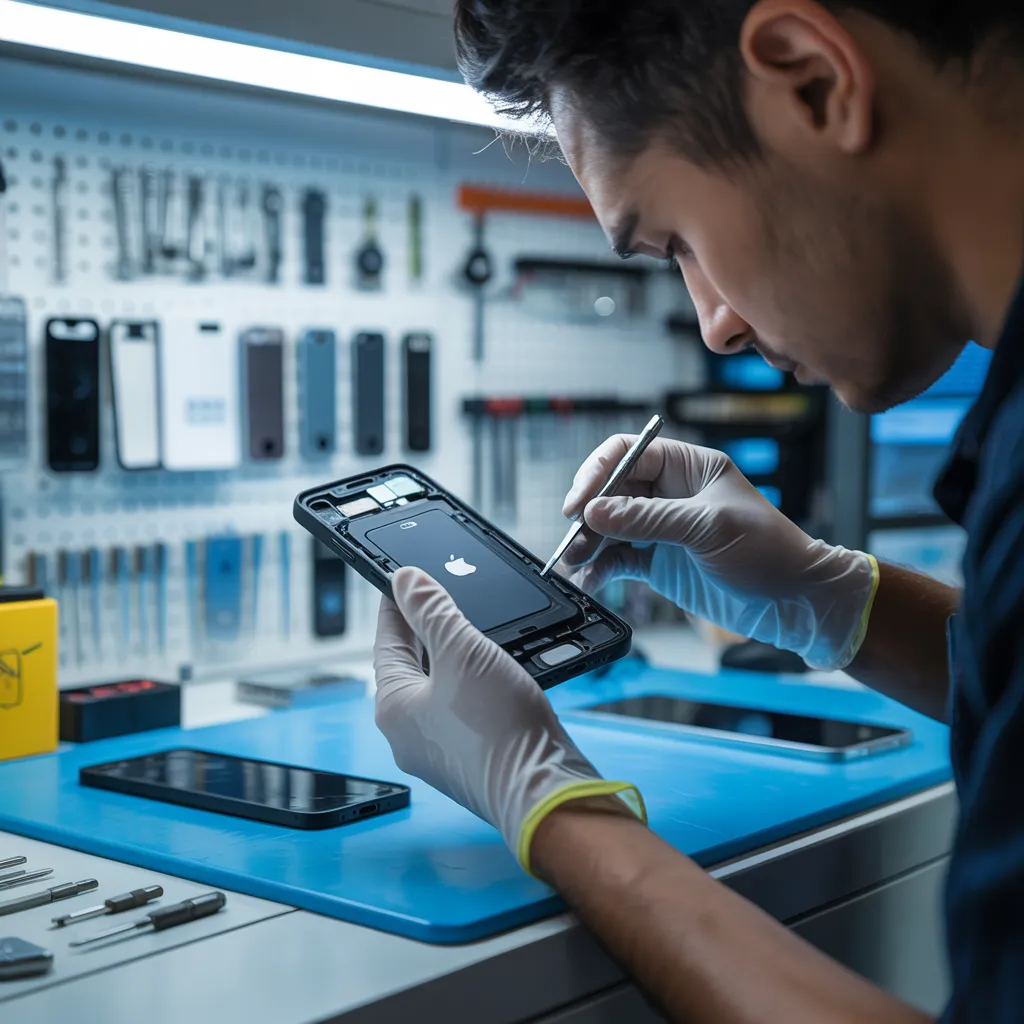
Common iPhone Problems You Might Encounter
What frequent challenges do iPhone users experience? A significant number of iPhone users deal with various difficulties that can affect their overall experience. A common problem is the deterioration of battery life, frequently causing devices to require charging more often. Individuals might also experience software malfunctions, including applications shutting down without warning or the operating system freezing up. Connectivity issues, including problems with Wi-Fi, Bluetooth, or cellular service, can leave users feeling frustrated and disconnected.
Another frequent issue concerns storage space, where individuals notice their devices exhausting available storage due to accumulated apps, photos, and other data. Moreover, some users report difficulties with the touchscreen, such as sluggish performance or failure to respond. Finally, camera-related problems, including distorted images or difficulty opening, can reduce the general usability of the iPhone. Resolving these problems quickly can improve user experience and extend the life of the device.
Quick Fixes for Cracked Screens
Cracked screens can severely impact the usability of an iPhone, leading users to look for fast remedies. One of the most common temporary fixes is to apply a screen protector, which can assist in stopping additional damage and reducing the visibility of cracks. Additionally, using clear tape can mitigate sharp edges and reduce the risk of injury.
For people who are confident in do-it-yourself techniques, many DIY enthusiasts advise using a blend of water and baking soda to make a paste that may fill minor cracks. However, this method is not guaranteed and could merely provide a temporary solution.
Ultimately, the most reliable option remains seeking professional repair or replacement. Several service centers provide fast turnaround times, enabling users to get their devices back quickly. Even though these quick fixes can provide temporary relief, having a professional handle the issue is the most effective long-term approach for maintaining device integrity and functionality.
How to Resolve Charging Issues
Following the repair of screen damage, numerous users face charging problems that may interfere with device functionality. Common issues include a malfunctioning charging port, damaged cables, or software malfunctions. In order to identify the issue, it is recommended that users examine the charging cable and adapter for signs of visible damage. Testing an alternative cable or adapter can help determine whether the problem originates from the accessories.
Additionally, cleaning out the charging port with compressed air or a soft brush can eliminate debris that could block the connection. If the issue remains, a restart of the device may resolve any temporary software issues.
In some instances performing a settings reset may prove beneficial, though this should be approached cautiously. Should all other options be exhausted, consulting a professional repair technician may be required. Resolving charging issues in a timely manner ensures your device remains functional and avoids additional issues.
Resolving Battery Drain Concerns
Battery drain issues can considerably influence the performance of an iPhone. Recognizing applications that drain excessive energy is vital for tackling this concern successfully. Moreover, fine-tuning energy settings can lead to improved battery longevity and overall performance.
Detect Apps That Drain Your Battery
Identifying battery-draining apps is vital for preserving the long-term performance of an iPhone. Users can start by heading to the Settings app, selecting "Battery," and reviewing the battery usage statistics. This menu reveals which apps drain the most battery, providing information about possible offenders. Usual suspects commonly include social networking apps, media streaming services, and location-dependent applications. Moreover, background app activity can play a major role in battery depletion; thus, keeping track of apps that update in the background is crucial. Users should also consider updating or uninstalling apps that consistently show high battery usage without justification. By acknowledging these energy-demanding applications, iPhone users can adopt preventive actions to optimize battery life and elevate overall device efficiency.
Adjust Power Settings
Optimizing power settings is crucial for tackling battery consumption concerns on an iPhone. A good starting point is to enabling Low Power Mode, which minimizes background processes and visual effects. Adjusting screen brightness and enabling Auto-Brightness can also conserve battery life. Additionally, switching off excess notifications and background app refresh helps minimize power consumption. It is advisable to disable location services for apps that do not depend on it, as GPS functionality tends to consume considerable battery power. Lastly, making sure the device runs the most recent iOS version can strengthen battery management functionality. By implementing these adjustments, users can successfully boost their iPhone's battery performance and extend its usage throughout the day.
Recognizing and Fixing Common Software Issues
Software glitches can heavily influence the performance of an iPhone, leading to problems like unresponsive screens and app crashes. Identifying these common problems is essential for individuals searching for practical resolutions. Luckily, various quick fixes are often available to reinstate features and elevate the general user experience.
Typical Software Problems
Numerous iPhone users experience widespread software problems that can disrupt their experience. These issues often manifest as unresponsive apps, unexpected crashes, or sluggish performance. Users may also notice problems with connectivity features, such as Wi-Fi or Bluetooth, which might unpredictably stop working. Moreover, push notifications may not function correctly, causing important updates to go unnoticed. System updates can sometimes introduce new glitches, resulting in confusion and frustration. A common concern is excessive battery consumption, where the device consumes power more rapidly than usual, commonly associated with processes running in the background. Identifying these glitches early enables users to pursue effective fixes and sustain peak device operation. Comprehending the root causes of these software glitches is critical for successful problem resolution and maintaining an uninterrupted user experience.
Fast Repairs Available
Tackling software problems quickly can significantly elevate the total iPhone experience. Common quick fixes consist of rebooting the device, which frequently fixes slight errors like locking up or app crashes. Another efficient solution is updating the iOS, as newer versions feature bug fixes and upgrades. Deleting the app cache can also help, particularly for apps that operate slowly. For persistent problems, resetting settings—without deleting data—can restore operation. Individuals may also gain from backing up important data and carrying out a factory reset as a last alternative. These quick fixes equip users to tackle software problems efficiently, reducing downtime and improving the efficiency of their iPhones. In the end, remaining proactive can promise a more consistent experience with the phone.
When to Consider Professional iPhone Repairs
When an iPhone exhibits ongoing problems that standard troubleshooting cannot fix, it may be time to seek professional repairs. Common indicators include frequent crashing, unresponsive screens, or severe battery drain. When the device sustains physical damage, such as a cracked display or moisture infiltration, an immediate professional inspection is strongly encouraged.
Furthermore, unexpected software performance, like apps crashing or failing to update, could indicate deeper system problems that call for expert attention. Individuals should also explore expert repair services when they experience problems with essential features, like camera capabilities or network connectivity.
Trying to resolve complicated issues without the necessary expertise can result in additional damage or data loss. In the end, knowing when to seek professional assistance can save time, minimize frustration, and ensure the iPhone is returned to optimal working condition.
Helpful Tips to Keep Your iPhone in Good Shape
Preserving the health of an iPhone demands regular attention and simple practices that can significantly improve its lifespan. Keeping the software up to date is essential to gain access to improved security and additional features. Periodically clearing out redundant apps and files can recover valuable storage capacity, enhancing overall functionality. Keeping the device clean, both physically and digitally, is vital; this means cleaning the display and clearing debris from charging ports.
Taking care of your battery is vital; avoiding extreme temperatures and practicing partial charging can prolong battery life. Utilizing a screen protector and a sturdy case can safeguard against physical damage. Furthermore, it is important for users to regularly back up their data to avoid loss during a malfunction. Keeping track of battery usage within the settings allows users to pinpoint resource-heavy apps that can be improved or removed. By adopting these habits, iPhone users can ensure their devices stay functional and dependable over the long term.
Questions Our Clients Often Ask
Am I Able to Repair My iPhone Myself Without Losing My Warranty?
Repairing an iPhone independently can invalidate the manufacturer's warranty, particularly if non-certified parts or methods are employed. Device owners should consult Apple's guidelines or authorized services to secure warranty protection while addressing technical issues efficiently.
What Are the Best Ways to Prevent Water Damage to My iPhone?
To prevent water damage to an iPhone, you should utilize waterproof protective cases, steer clear of using the device in moist conditions, and ensure all ports remain sealed during moisture exposure. Consistent maintenance practices can further help minimize risks.
How Can I Tell If My iPhone Battery Needs to Be Replaced?
Common signs that an iPhone is due for a battery replacement include sudden battery drain, unexpected shutdowns, excessive heat, a swollen casing, and reduced performance. Owners may also observe prolonged charging times or the phone being unable to charge at all.
How Frequently Should I Update My iPhone Software?
Refreshing iPhone's operating system should occur on a routine basis, ideally every few weeks or as soon as a new version is released. This guarantees optimal performance, security improvements, and access to new features, ensuring the device operates efficiently and securely.
Does Using Third-Party Accessories Affect My iPhone's Performance?
Employing third-party accessories can potentially affect the performance of an iPhone. Poor compatibility or substandard quality may lead to device malfunctions, decreased efficiency, or potential damage, emphasizing the importance of selecting dependable accessories to ensure optimal device performance.